Meeting Barbie at 21; Doll's New Narrative... An Old Story
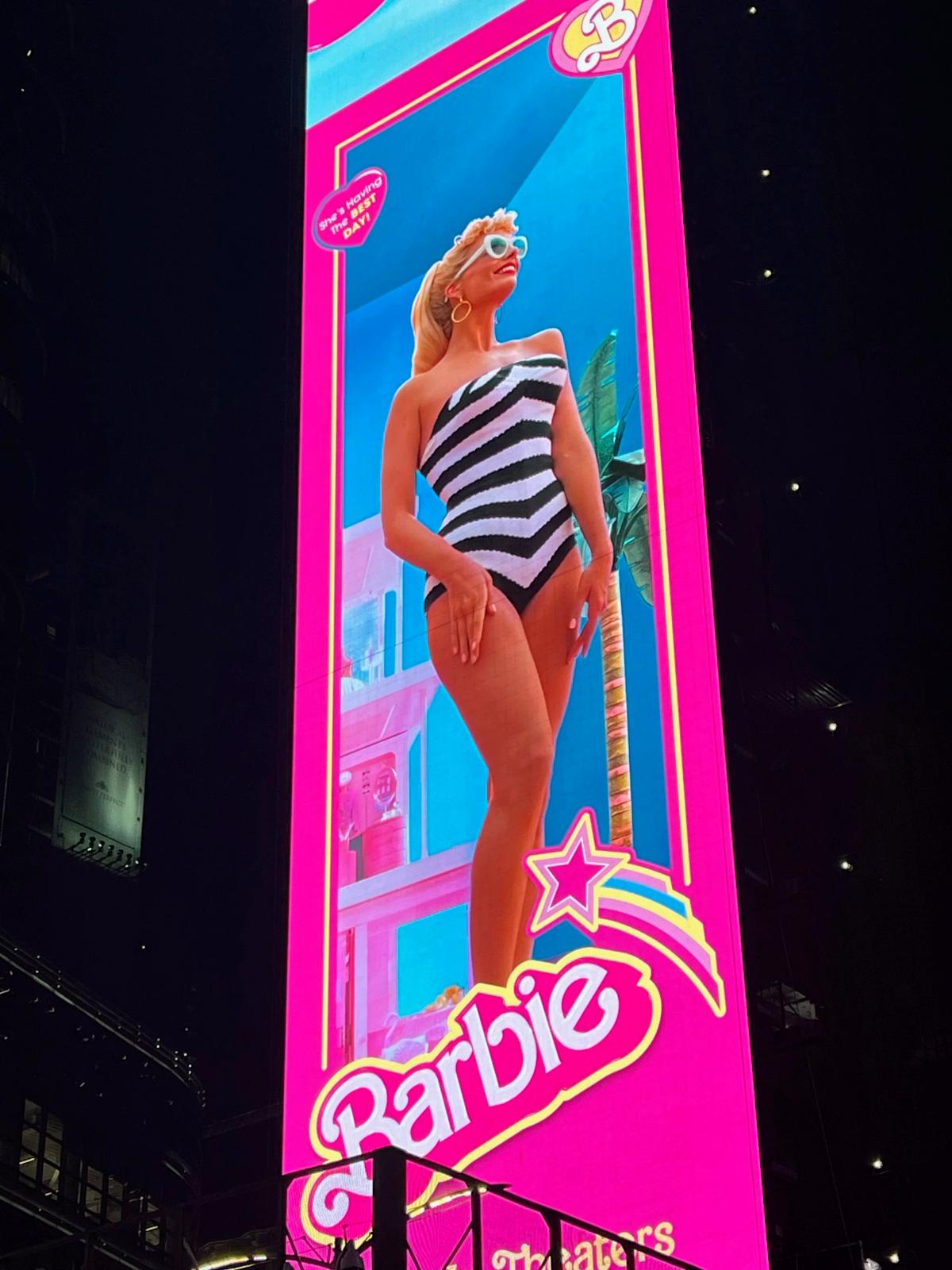
In 1979, I scoffed when a Mattel marketer jokingly called Barbie a feminist icon. In 2023, the whole culture caught up to his assessment.
Yes, it seems like everyone is celebrating Barbie. Or scrutinizing her. I got a jump on both in 1979 when I went to a cocktail party to kick off Barbie’s splashy 21st Birthday year.
An essential perk of my first reporting job for Toys Hobbies and Crafts was access to media events with free hors d'oeuvres. Young reporters for this glossy trade magazine survived on meals served with toothpicks and little napkins.
Mattel was hosting a PR event in one of its corporate offices designed to excite the press about the doll’s major milestone. Sparkly cardboard signs declaring “Happy Birthday Barbie” were fastened to the neutral office walls. The perky guest of honor herself, and the prime topic of conversation. was relegated to a display case with her latest accessories:
New princess phone. New fluffy mules. Pink sunglasses the size of a jelly bean. Attendees were mostly industry and business press, company executives, a few retailers, and a motley crew of Barbie doll collectors, earnest-looking folks who looked bussed into New York from an Iowa church supper. Each held fast to her own clutch of dolls.
None spoke of Barbie as an investment. Or a trendsetter. Yet.
Being here was a culture shock. I’d just returned from Asia and 18 months of roaming the globe. How could I have gone from nodding to the barefoot villagers on dirt paths in the Himalayas to the hallways of this Manhattan penthouse suite, where I had to greet a pack of beaming toy salesmen?
My goal, a career in daily newspaper journalism. A few weeks prior, I’d covered a press conference launching Strawberry Shortcake “the miniature doll in the miniature world” an assignment that thankfully came with a free lunch. Thick cuts of red meat, strawberry salad. And of course, the eponymous dessert. Another recent story was about Tonka toy dump trucks discussing the many counterfeits and the angles of their misshapen windshields.
Now this!
For the Barbie fete, at least, I was just a freeloading, trade paper intern with no official story assignment or deadline. I came for the cheese cubes, and hoped there’d be lobster ravioli.
Doll aficionados from the corporate side and the public fan base chatted excitedly about Barbie’s nuances:
“I love that page boy; are her glasses attached to her kerchief?”
“That navy striped dress is a perfect compliment to Skipper’s blouse.” They boasted of rare editions and opined on Barbies’ next life move, Where she might work. How she would play.
Why are these adults so breathless over a doll? I fumed, naively unaware that the real subject was not Barbie’s hemlines or story lines, but her profit margins.
Wasn’t this an era shaped by feminism? Youthful skepticism about capitalism? I was brooding over what all the fuss was about. “She’s just a hollow piece of plastic,” I whispered to a fellow reporter who was spreading softened Brie onto a cracker. Why did these people care about a brassy blonde plaything, who “lives” to keep buying new clothes to cover her sleek, genital-free form in the trappings of materialism?
Wracked with our collegiate indignance, while scarfing down our “passed apps” early dinner, we writers in the room were not much older than Barbie was then. Nobly simmering twenty-something journalists, we rolled our eyes , assessing all the corporate “sell-out’s” in the room.
When Jack from Mattel approached - I remember his first name and forceful handshake - he confirmed my cartoonish image of a marketing exec. The mammoth grin. The perfect tie knot and the big sales-y.. hello there young lady. He sensed my cynicism. And delighted in it.
You KNOW, he said. “Barbie has always been ahead of her time. She has her own Dream House and Dream Car. A career!” In fact, Astronaut Barbie had debuted way back in 1965. “Face it,” he joked. “She doesn’t even need Ken!”
His smile never sagged, even as he took in my stricken expression.
My fantasy role models were part of a different crowd. Did he know I aspired to be the Lois Lane or Hildy Johnson of the ‘70s? Would Brenda Starr attend a corporate event, and for Barbie?
Jack prattled on about Barbie’s independence. He extolled her moxie, and her mettle. In essence, she was fierce, though that word had not yet entered the lexicon for formidable females.
Wait, what? Barbie as a feminist role model? “Ridiculous”, I sniffed, holding my stuffed mushrooms and Chardonnay.
Jump to 2023, and the world seems to be all-in with Jack from Marketing. Yes, he was right. Or at least prescient. His more than four-decades-old Barbie rationale could serve as the premise of Mattel’s current, outsize marketing blitz. His elbow jabbing, isn’t-my-theory-cute description of Barbie and her personal and work life would survive. And thrive.
This summer a new generation of reporters and countless columnists are writing, blogging and commentating non-stop about the big business of Barbie — Style icon. She-ro. Modern woman exemplar. The righteous minds in the media now support, not deride, her. She’s hailed for diversity, for worldliness. A confidence every woman should be so fortunate to posses.
Jack had been needling me. And joking. But no, he wasn’t really kidding. Today’s Barbie narrative is simply a replay of his core themes - cultural impact, gender roles, power dynamics, social structure. Her meaning.
And of course, everyone is really still talking - a lot - about the money.